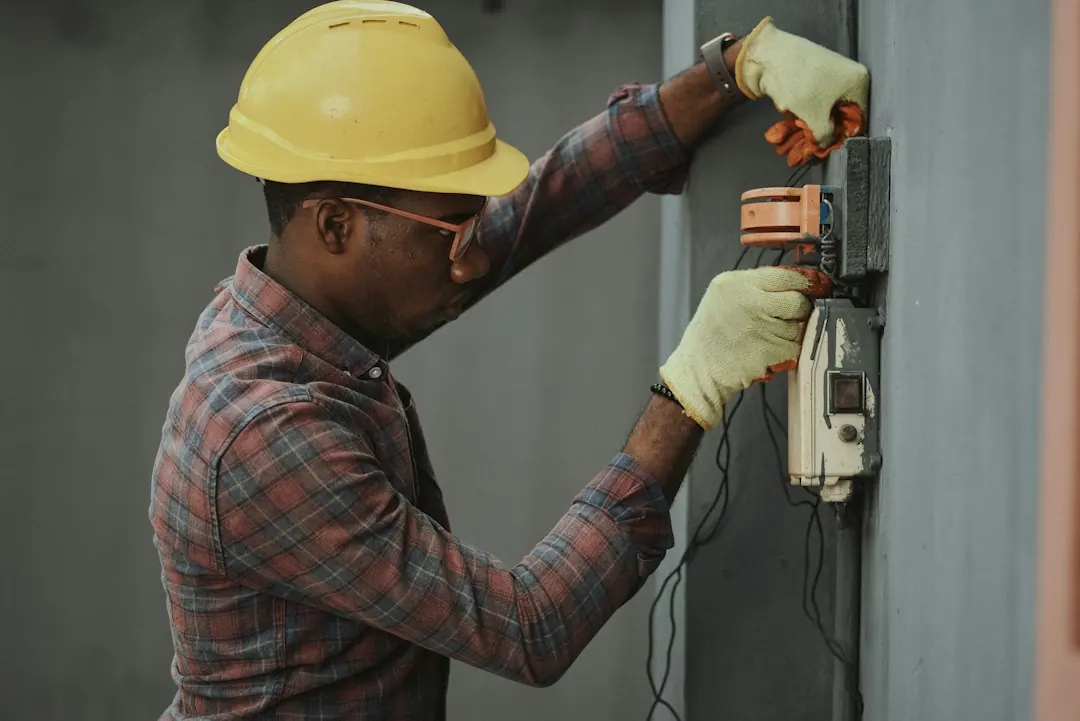
For homeowners comparing electrical repairs paddington options, the practical decision is to identify the fault pattern, explain the property type and confirm the work will be completed by a licensed electrician.
Electrical Repairs Paddington Explained
The most useful information is what the power is doing just before it fails. A safety switch that trips again immediately, one part of the house going dead, or lights dimming when the air conditioner starts can each point the electrician towards a different circuit or appliance. Note whether the problem appears at night, during rain, or when an oven or other major appliance is switched on.
You can check whether unplugging appliances changes the result, but do not treat a reset as a repair. If the switch still trips with everything unplugged, the wiring may need to be traced circuit by circuit. Electrician Paddington describes fault finding as locating the cause rather than repeatedly restoring power without resolving it.
For smoke, a burning smell or an injury, call 000 first. A non-emergency enquiry should explain which rooms have lost power, what has already been reset and whether the problem is recurring.
Older homes need a different inspection lens
Paddington contains old timber Queenslanders, workers' cottages and terraces where wiring may have been added over decades. That history can make the visible symptom different from the underlying fault. A dead power point may be connected to a wider circuit issue, while a loose joint in an extended cable run may be hidden behind a lined wall.
Access also affects the work. In a timber Queenslander, new cable may be routed through a roof space or beneath the floor to avoid cutting open finished walls. Ask how the electrician expects to reach the circuit, what surfaces may need repair and whether the proposed work is a local repair or part of a wider rewire.
Nearby homes in Red Hill, Milton, Petrie Terrace, Bardon and Ashgrove can present similar older-property questions, but the building itself remains the important variable. Describe construction, recent renovations and any unusual extensions rather than relying only on the suburb name.
When the switchboard becomes the job
An older board with ceramic fuses may not have safety switches across the home. A switchboard upgrade can replace that arrangement with a modern board and safety switches protecting each circuit. The relevant question is not simply whether the board looks old, but whether the protection matches the circuits and the work now being used in the house.
Ask for the proposed scope in writing. It should make clear whether the work is limited to the board, includes fault finding elsewhere, or requires capacity work for additions such as an electric vehicle charger. This distinction helps separate a defined upgrade from an investigation where the condition of wiring cannot be known until testing begins.
After installation work is finished, a Queensland contractor must provide a certificate of testing and compliance. Keep that document with property records, particularly where the work forms part of a renovation or a future electrical upgrade.
Choose the right scope for an upgrade
Everyday electrical work can be planned around how the rooms are used. Extra power points may reduce reliance on multiple power boards, while moved switches, dimmers, sensor lights, weatherproof outdoor outlets and LED replacements address different practical needs. Flickering lights and blown globes still need a cause checked rather than being treated only as a lighting selection problem.
Renovation work needs the room layout and appliance plan before wiring is set. Kitchen and bathroom changes may require new circuits, while an electric vehicle charger in a garage or carport may require switchboard capacity work first. Smoke alarms may also need to be fitted or replaced so interconnected alarms sound together when one detects smoke.
Use one written brief for the quote: rooms affected, access limits, existing symptoms, planned appliances, desired outlets and whether the property is a Queenslander, cottage or terrace. That gives the electrician enough context to describe exclusions and identify questions before work starts.
Who this guide applies to
This guide is for owners and occupants of older and newer homes in Paddington and nearby areas who need to decide what information to collect before engaging a licensed electrician. It is especially relevant when a fault keeps returning, a circuit has gone dead, a switchboard uses ceramic fuses, or renovation plans change the electrical load.
It also helps people comparing a small defined job with a diagnostic visit. A new power point or switch may have a clearer scope than a fault inside a wall cavity. Ask which parts can be priced in advance, what testing is included, how access will be handled and what certificate or paperwork will be supplied at completion.
For a second local reference, see this related Paddington electrical repairs guide. The final choice should still depend on the actual fault, the property and the licence details shown on the quote.
- Record the symptom. Write down which rooms or outlets are affected and what was happening when the fault appeared.
- Describe the property. Mention whether the home is a Queenslander, workers' cottage, terrace or a newer dwelling, along with recent renovations.
- Request a written scope. Ask the licensed electrician to separate fault finding, defined installation work and any possible access or capacity issues.
- Keep the paperwork. Retain the certificate of testing and compliance supplied after installation work is completed.
| Situation | What to record | Question to ask |
|---|---|---|
| Tripping safety switch | When it trips and what was running | Can the circuit be tested without repeated resets? |
| Dead room or power point | Rooms affected and whether one circuit is involved | Will the cause be traced before replacement work? |
| Older ceramic-fuse board | Board type and later additions | Will safety switches protect each circuit? |
| Renovation or charger | New appliances, room layout and access | Is switchboard capacity work included in the scope? |
This guide covers fault signals, older-home access, switchboards, planned upgrades, quoting questions and completion paperwork for residential electrical work in Paddington.